
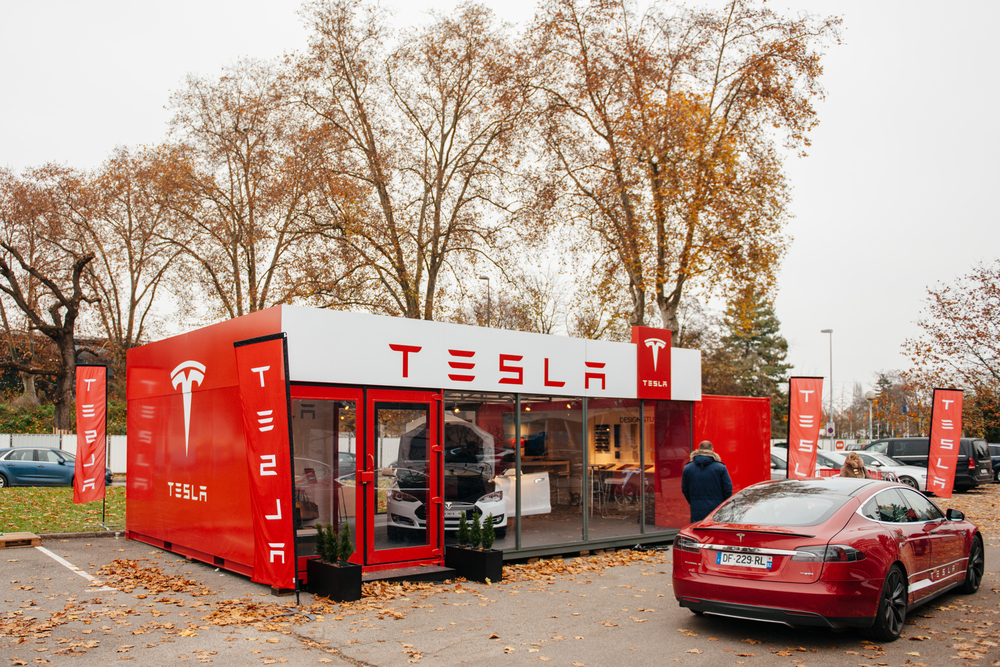
Tesla is a household name these days – but for most people that’s because of Tesla the electric car manufacturer and not Nikola Tesla, the Serbian inventor after whom the company is named. Tesla’s super-cool identity, synonymous with innovation, sustainability and futuristic design coupled with impressive performance, has helped establish it as one of the most recognizable brands in the global automotive industry today. And it really doesn’t matter whether you’re actually interested in acquiring a luxury electric vehicle or not – everyone’s heard of Tesla.
The company was founded in 2003, and, contrary to public belief, it wasn’t an overnight success. In fact, it wasn’t until 2012, with the release of the fully electric plug-in Model S, that Tesla made headlines as a pioneer in the electric vehicle (EV) market. In 2013, the Model S received a near-perfect score of 99 out of 100 from Consumer Reports and went on to set sales records in the U.S. over subsequent years, dominating the fast-growing EV landscape.
In The Beginning
So, who was responsible for making these electric dreams come true? PayPal cofounder Elon Musk may have become the face of Tesla in recent years, but he didn’t start it. That page in history was written by Martin Eberhard and Marc Tarpenning, two Silicon Valley engineers who shared a goal to invent an electric car that ticked all the boxes for performance and beauty, with the added bonus of zero emissions. In 2004, Tesla’s cofounders went through initial rounds of investing for their newly incorporated venture and obtained funding from a variety of sources, including Musk who contributed $30 million and became chairman of the company.
The Golden Era
From 2004, Tesla’s operations focused on research, development, and the production of its first vehicle, the completely electric Roadster sports car, released in 2008. That same year, Eberhard and Tarpenning left the company and Musk took over as CEO. In 2010, Tesla’s first public offering raised around $226 million. From 2012 Tesla rolled out Supercharger stations across the US and Europe where owners could charge their Tesla batteries quickly and for free. It continued to expand its global footprint, opening production facilities in China, Germany, and the US, with a network of 438 stores, 100 service centres, and 50,000 Supercharger stations around the world.
In more recent years, however, the situation has changed – following its Golden Era of consistent expansion and EV market domination, Tesla’s performance has become a bit of a rollercoaster ride. Sales have fallen, profit margins have shrunk, and if the company’s problem used to be whether or not it could produce enough cars to meet demand, now it may just be the other way round – will it actually be able to sell all the cars it produces? Tesla shares have had a rough start to 2024, a reflection of the company’s disappointing Q1 results with revenues down 9% from 2023 and net income down 55%. So, what exactly happened to Tesla, and what should an investor consider when evaluating its future potential?
Downwards Spiral
First of all, the EV market cooled off in general, as consumer interest and demand dwindled. Tesla made price cuts in an attempt to shake things up, but those cuts ate into its profit margins even further, causing many analysts and investors to question CEO Elon Musk’s rationale. Its product line-up looks a little dated, in the face of rising competition from Chinese car manufacturers that are now positioned as the innovative, tech-savvy market disrupters.
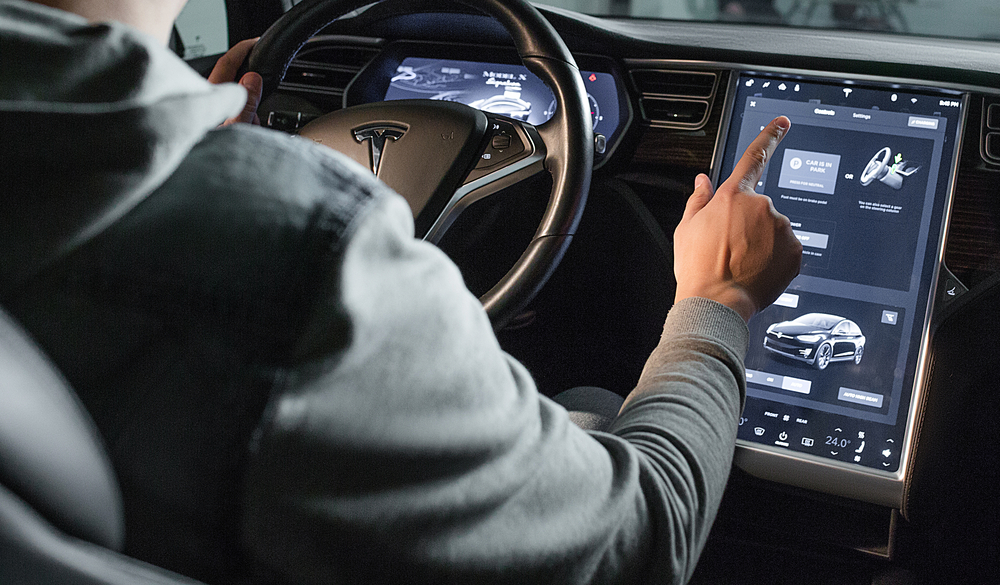
Meanwhile, Musk’s attention to his EV manufacturer seems to have diminished in recent years. During the growth period, he seemingly only had eyes for Tesla but the sale of some of his own stock and purchase of Twitter (which he renamed X) in October 2022 amplified concerns about his apparent loss of interest. Surveys showed that media coverage of the long and contentious Twitter/X acquisition process had a negative effect on public opinion, deterring potential Tesla buyers and making investors nervous. 2022 finished on a decidedly negative note for Tesla.
What Goes Up…
In addition to Tesla, Musk already had SpaceX, Neuralink and the Boring Company to take care of. If that wasn’t enough, in March 2023 he founded xAI, the startup that’s behind the Grok generative artificial intelligence chatbot, developed in direct response to the meteoric rise of OpenAI’s ChatGPT. Despite the fact that Musk’s new interest in AI could take him even further away from EV production, retail investors began to pour cash into Tesla shares as part of a broader bet on the future of AI, causing Tesla stock to rebound.
In early November 2023 its market value peaked above $1.2 trillion – an increase of more than 2,000% in two years. However, as any seasoned investor knows, what goes up must come down and, in fact, the euphoria was short lived.
In January 2024 Tesla reported earnings that fell short of expectations and warned of a slowdown in 2024. As a result, the stock headed into steep decline, compounded by the added pressure of various brokers reducing their price target for the company. Despite this, investors seem encouraged by the company’s plans to accelerate the launch of new and more affordable models in late 2024.
A Safe Investment?
Tesla investors have a reputation for being loyal, but whether Tesla is the right investment for you depends on your own personal investment objectives and risk tolerance. Certain variables, however, are essential for an objective assessment of Tesla stock potential in five years’ time.
The first and fundamental consideration is an analysis of EV market demand in different parts of the world. Look at geographical locations where Tesla is already selling, but also other markets that it may be planning to expand into. Analyse the competition and their intentions to assess how much they might encroach upon Tesla’s potential sales, cash flows and earnings. Look at macroeconomic factors like interest rates – higher rates usually lead to lower equity valuations, and may also decrease the demand for vehicles, due to increased borrowing costs.
Once you’ve followed the trends and researched the plan, you’ll be in a much better position to make a decision – will you invest in the future of Tesla?
 Evgeny Kireev
One response to “Is Tesla a Good Investment? Here’s the Ups and Downs”
[…] last few years have been difficult for Tesla investors. Tesla shares have dropped 12% year-to-date, down 20% from their July 2024 highs, and the company’s profit margins have halved since 2022. […]
LikeLike