
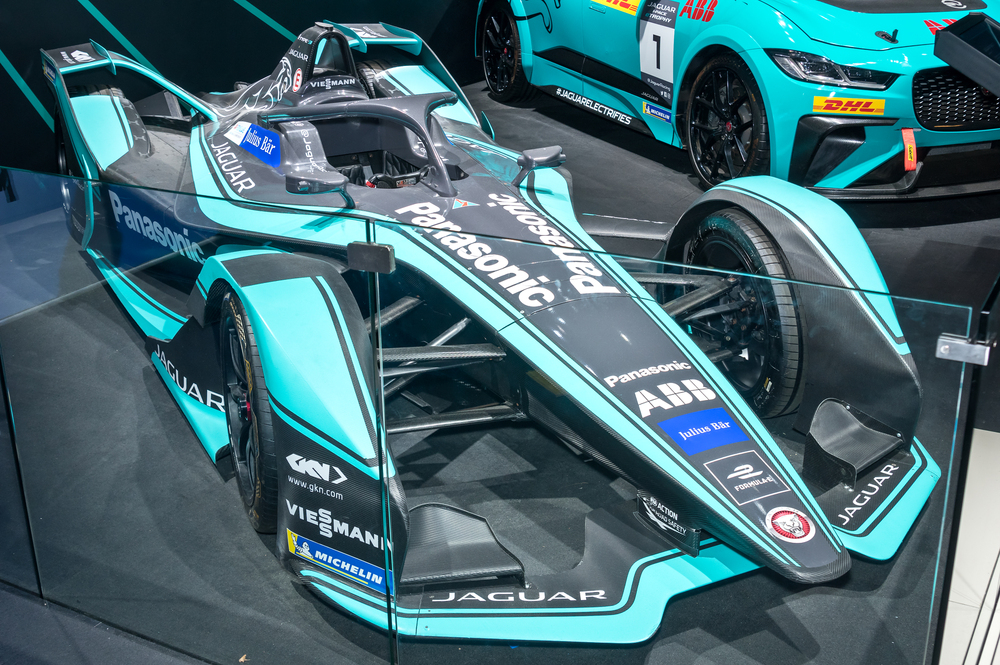
The economic impact of electric vehicle (EV) racing, such as Formula E, on the automotive industry, is multifaceted, driving significant changes in technology, market dynamics, and consumer behavior. EV is predicted to bring a groundbreaking positive change to the economic and environmental climate.
Today the cities are flooded with emissions, mobility, and congestion, serving a major issue for the present and especially the future of the population. As a response, governments and various industries are consistently launching new and innovative mobility solutions and improving transportation methods for urban roads.
For the future of mobility, cities require technological and behavioral change both in regulating vehicle usage and consumerism conceptions.
Rising Popularity of Electric Vehicles
The environmental crisis is an ongoing travesty and the societal awareness and call for change and action seems to be taking effect. Electric vehicles produce zero tailpipe emissions, contributing to cleaner and healthier air. EVs are energy and cost-efficient, promoting energy independence by leveraging renewable energy sources such as solar or wind power to charge its batteries, and eliminating the reliance on fossil fuels.
The economic ripple effect also extends to sectors like energy and manufacturing. The demand for high-performance batteries and charging infrastructure is growing rapidly, pushing companies to innovate and scale up production. This demand is also reshaping the supply chains, particularly in the mining and processing of key materials like lithium, used in EV batteries.
Since its rapid growth in sales, almost doubling its rates every year, the EV auto industry is working towards making distribution more accessible and affordable. In 2025, approximately thirty percent of cars bought will be electric or hybrid. The rise of EV benefits, popularity, and racing has accelerated the development and adoption of electric vehicle technology in the broader automotive market.
Challenging Formula 1
Innovations tested in the competitive environment of EV racing, such as advanced battery technologies and energy management systems, often trickle down to consumer electric vehicles, improving their performance and appeal. This technological transfer helps drive the growth of the EV market, which is expected to become a multi-trillion-dollar industry by 2030.
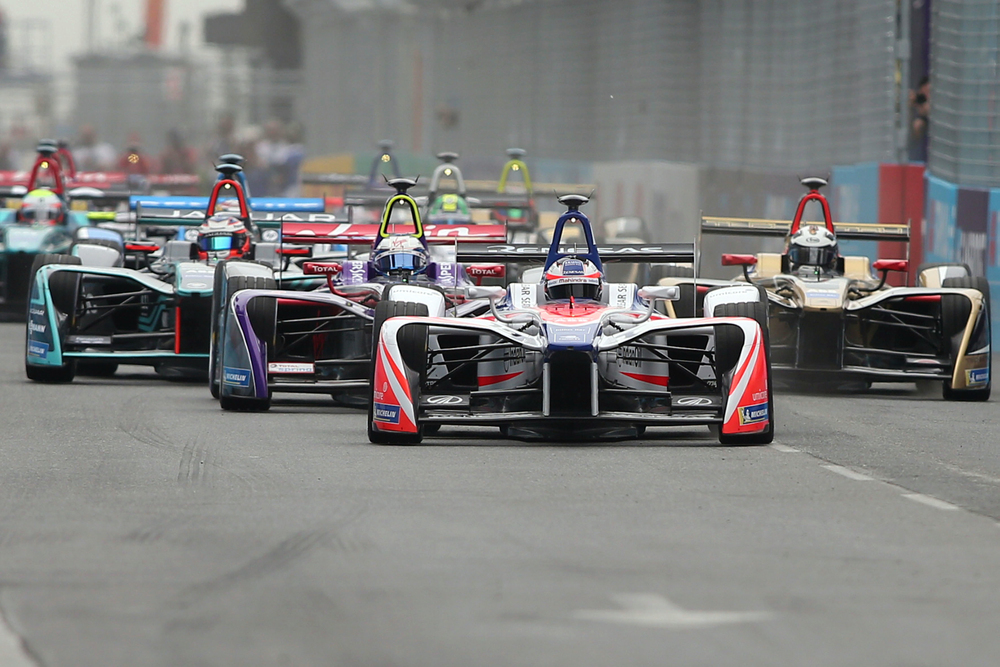
At its core, Formula E strives to innovate and improve the existing electric car. The popularity of electric racing contributes to shifting consumer perceptions about electric vehicles. As high-performance EVs dominate racing circuits, they challenge the stereotype that electric vehicles are less powerful or exciting than their internal combustion counterparts.
Pushing the boundaries of what seemed to be the ultimate performance of Formula 1, Formula E has shown revolutionary changes in on-track technology. Specifically, in terms of speed, power, efficiency, and sustainability, Formula E is believed to surpass, advance, and challenge the current performance, bringing forth a new age of racing. This shift is crucial for increasing consumer adoption of EVs, which is a key factor in the automotive industry’s transition toward electrification.
Formula E and The Battle For Change
The rise of Electronic vehicles in races provides significant changes that benefit society as a whole. Since the first season of Formula E, the battery capacity and range of consumer EVs has improved greatly, increasing the number of electric car models by sixfold. The focus on efficiency in racing has aligned the market with a desire for more energy and speed-efficient cars, pushing the industry to create longer ranges and shorter charging times for the average consumer.
Formula E has also launched the “Smart Cities Initiative”, promoting sustainable, eco-friendly mobility in urban areas worldwide, aiming to reduce both air pollution and traffic congestion. In a joint partnership with Zinc Sports, Formula E is exploring micro-mobility solutions such as e-bikes, e-scooters, and kick scooters, replacing short-distance car rides.
Formula E is the only motorsport series to receive a certification for sustainable events, committing to a 45% emission reduction by 2030. In addition, the series has adopted a circular economy approach, recycling and reusing materials to become carbon neutral.
Finally, Formula E has initiated the “Race Against Climate Change” campaign, calling all race fans and lovers to resist climate change and raise awareness of the issue.
EV racing is not only a proving ground for cutting-edge technology but also a powerful driver of the broader adoption of electric vehicles, with significant implications for the future of the automotive industry, all while bringing attention to the ongoing struggle and fight against climate change.
 Evgeny Kireev