
As alcohol consumption declines worldwide, the non-alcoholic beverage market has expanded tremendously. Offering an alternative to traditional beer, consumers are seeking the flavour and experience of beer without the effects of alcohol.
Driving Factors
There has been a recent shift taking place when it comes to societal drinking habits, the market for non-alcoholic beverages allows significant economic potential in this sector with a number of factors driving the alcohol-free beer industry: market.
Health and Wellness Trends: With increasing health consciousness and concerns about the negative effects of alcohol, consumers are seeking healthier alternatives. Alcohol-free beer meets this demand as a lower-calorie, non-intoxicating option.
Changing Drinking Habits: Shifts in consumer preferences towards moderation, especially among younger demographics, have boosted the popularity of alcohol-free beer. It serves as a social drink for occasions where alcohol consumption may be limited or avoided.
Innovation in Flavor and Variety: Advances in brewing techniques and flavor profiles have led to a wider selection of alcohol-free beers. This diversity in taste and style appeals to a broader range of palates and preferences.
Social Acceptance: Growing social acceptance and the normalization of alcohol-free lifestyles have reduced the stigma associated with non-alcoholic beverages. This has encouraged more consumers to explore alcohol-free beer as a viable option for socializing and enjoyment.
Market Expansion and Accessibility: The increased availability of alcohol-free beer in supermarkets, restaurants, and online platforms has made it easier for consumers to find and purchase these options, driving market growth.
Statistics
Non-alcoholic beverages have so far chipped away at 3 percent of the global alcohol market, and is “forecast to grow to a whopping 31 percent by 2024.”
Another statistic shows that in the United States, sales of non-alcoholic beverages have increased since the pandemic occurred. Sales were up by 32% compared to the year prior to the pandemic. Besides the increased focus on health and wellness among consumers, the growth of non-alcoholic beverages also reflects clever marketing strategies by beer makers.
The global non-alcoholic beer market was valued at $22 billion in 2022. By 2032, it is expected to reach nearly $38 billion.
While there are currently no non-alcoholic beverage companies listed on United States stock exchanges, there are plenty of alcoholic beverage producers that are taking advantage of the recent boom by adding non-alcoholic beers to their supply.
Leading Name in the Market
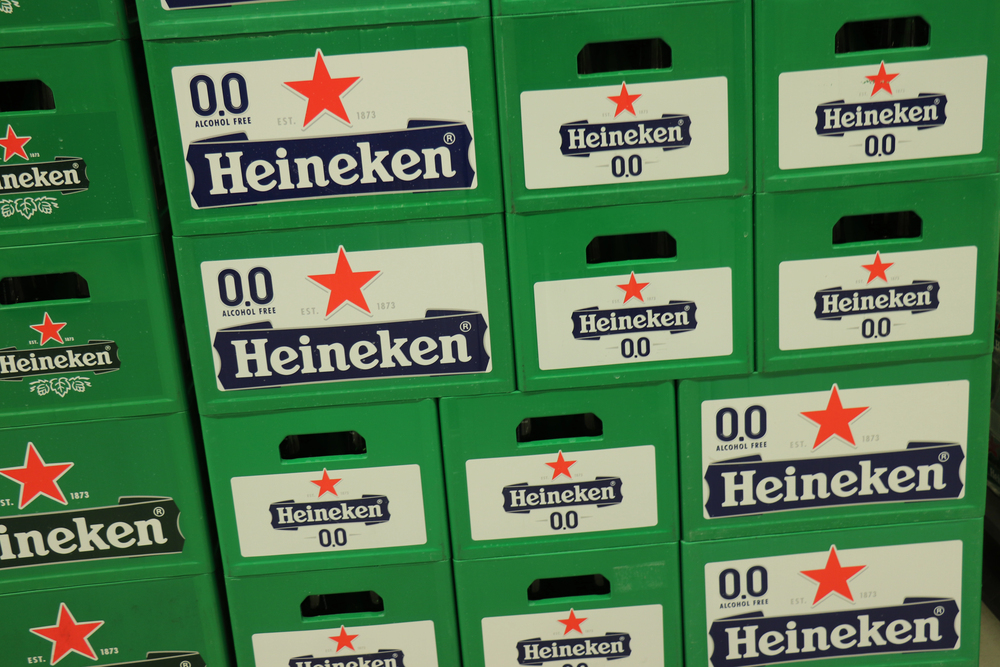
The leading name in alcohol-free beer is Heineken, which launched in Europe in 2017 and is now available in 110 markets including South Africa, Russia, Vietnam, Japan, and Australia.
As the quality of alcohol-free beer has improved markedly over the years, the products now are improved in taste and quality. Being more widely available with marketing and campaigns drives awareness for the product too.
Investment Opportunities
With this growth in the market, investors may wonder how they could personally gain exposure to this trending niche. Experts state that it could be wise to invest in top companies in small, equal sums on a regular basis, known as dollar-cost averaging. Doing so over a longer period of time would minimise the effects of volatility on your cost basis.
Growth opportunities in the market are present, driven by factors such as health conscious consumer trends, a change in drinking habits, the expansion of product varieties, and a rising market acceptance and normalisation of alcohol-free beverages.







 Evgeny Kireev